ChatGPT and Other Similar AI’s Potential Impact on Education

Artificial Intelligence (AI) is revolutionizing the way we learn, communicate, and interact. With the advent of advanced AI technologies like ChatGPT, the quality of learning in the field of academics is undergoing significant changes. This has both positive and negative effects, and it is important to understand both sides to fully appreciate the impact of AI on education.
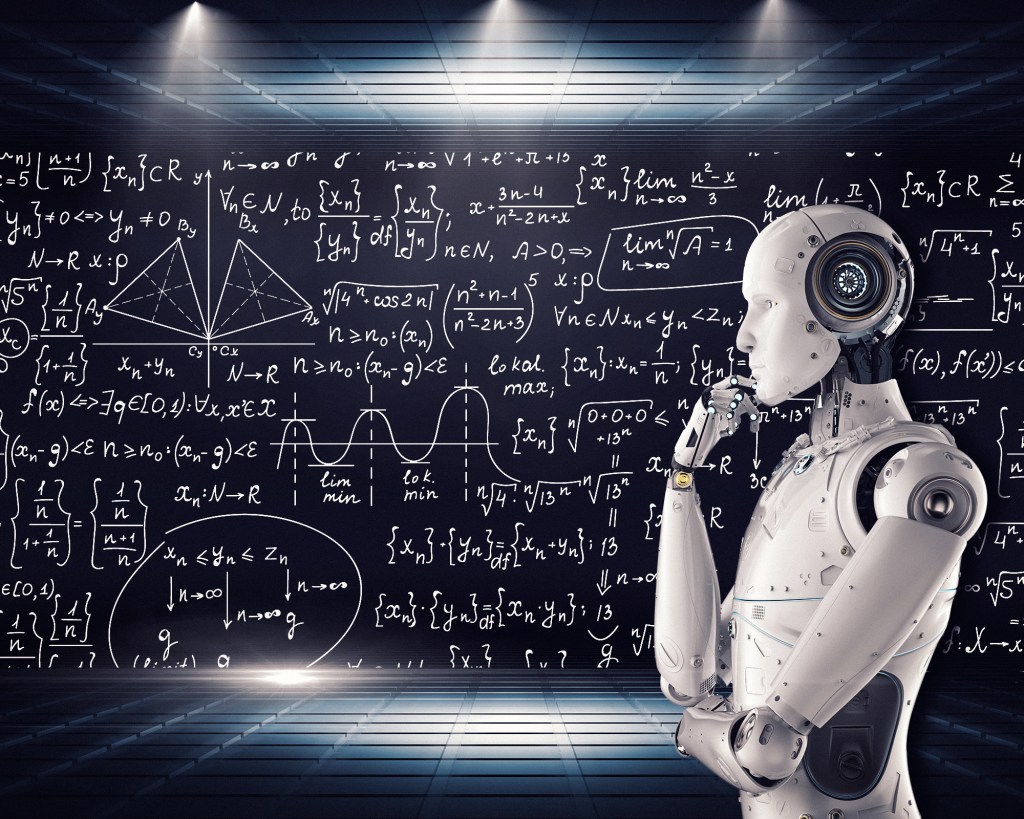
Artificial Intelligence & AI & Machine Learning | Kroger4 | Wikimedia Commons | CC-BY-2.0

ChatGPT is a language model developed by OpenAI, a leading AI research lab. It is a type of artificial intelligence that uses advanced machine learning algorithms to generate human-like text. It has been trained on a massive amount of text data, allowing it to respond to questions and provide information on a wide range of topics.

ChatGPT’s abilities include:

  • Conversational AI: ChatGPT can hold natural, human-like conversations with users, providing answers to questions and generating coherent responses.
  • Text Generation: ChatGPT can generate text based on input, such as completing a prompt or summarizing a piece of text.
  • Question Answering: ChatGPT can answer questions with high accuracy, drawing information from its training data to provide relevant answers.
  • Summarization: ChatGPT can summarize long pieces of text into shorter, more concise forms, making it easier for users to understand the most important information.
  • Text Classification: ChatGPT can classify text into various categories, such as sentiment analysis or topic classification.
  • Language Translation: ChatGPT can translate text from one language to another, making it a useful tool for multilingual communication.

These abilities make ChatGPT a powerful tool for a variety of applications, including customer service, content generation, and research. However, it is important to note that like all AI systems, ChatGPT is only as good as the data it was trained on and may contain biases or inaccuracies. It should not be used as a substitute for human judgement and expertise in important decision-making processes.

In the context of education, ChatGPT can play a significant role in the teaching-learning process by offering students a new and innovative way to access information and receive instant feedback. Here are a few ways ChatGPT can contribute to the education process in schools:

  • Personalized Learning: ChatGPT can analyze a student’s performance and adapt the learning experience to suit their needs. This includes adjusting the difficulty level, pace, and teaching method. This personalized approach to learning can help students engage more deeply with the material and improve their learning outcomes.
  • Instant Feedback: With ChatGPT, students can receive instant answers to their questions, eliminating the need to wait for a teacher or tutor to respond. This can save a great deal of time and improve the efficiency of the learning process.
  • Supplementing Classroom Instruction: ChatGPT can be used as a supplementary tool to enhance classroom instruction. For example, it can be used to answer student questions during class, provide additional information on a topic, or assign homework.
  • Off-hours support: ChatGPT can be available 24/7, providing students with access to learning resources even outside of regular school hours. This can be especially helpful for students who need extra support or clarification on a concept.

One of the most significant benefits of AI in education is the availability of personalized learning experiences. ChatGPT, for instance, can analyze a student’s performance and adapt the learning experience to suit their needs. This can include adjusting the difficulty level, pace, and even the teaching method. This personalized approach to learning can help students to engage more deeply with the material, leading to improved learning outcomes.

Another advantage of AI in education is the ability to provide instant feedback. With ChatGPT, students can receive instant answers to their questions, eliminating the need to wait for a teacher or tutor to respond. This can save a great deal of time and improve the efficiency of the learning process. Additionally, AI can provide students with instant feedback on their progress, allowing them to see how they are doing in real-time and make adjustments accordingly.

However, despite these benefits, there are also some potential downsides to using AI in education. One concern is the potential for decreased human interaction and the loss of personal connection between students and teachers. With AI taking over many of the responsibilities of the teacher, students may miss out on the opportunity to develop strong relationships with their instructors. This can negatively impact their motivation and engagement with the material.

Another concern is the potential for AI to perpetuate existing biases and perpetuate existing inequalities. AI systems are only as unbiased as the data they are trained on, and if the data used to train these systems reflects existing biases, they may continue to reinforce these biases in the learning experience. This could result in unequal educational opportunities and further marginalize already marginalized groups.

It is important to note that while ChatGPT and other AI technologies can be valuable tools in the education process, they should not replace human teachers. Teachers play a crucial role in providing students with personalized attention and guidance, and they can help students develop important critical thinking skills. AI technology like ChatGPT should be used to supplement and enhance traditional classroom instruction, not replace it.

AI has the potential to significantly impact the quality of learning in the field of academics. Personalized learning experiences, instant feedback, and increased efficiency are all benefits of AI in education. However, there are also potential downsides, including decreased human interaction and perpetuation of existing biases, that must be considered. As AI continues to evolve and become more integrated into education, it is essential that we consider both the positive and negative impacts to ensure that we are using this technology to its full potential and to the benefit of all learners.
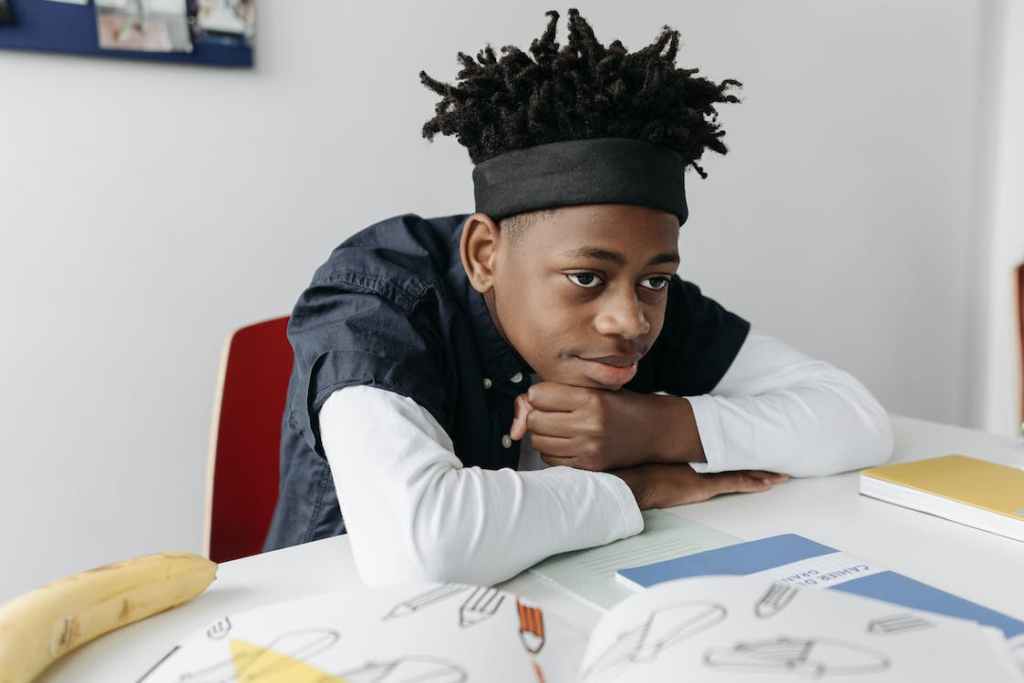

Quiet Quitting at School: A Silent Epidemic

As a teacher, one of the most disheartening things I have to deal with is when students decide to quietly quit school. While it’s common for teachers to notice when students are struggling or acting out, it can be much harder to recognize when a student is disengaging and giving up on their education altogether. This phenomenon is often referred to as “quiet quitting” and it can have serious consequences for a student’s future.

Quiet quitting can take many forms. Some students simply stop attending class or turn in minimal work, while others may become withdrawn and stop participating in class discussions or group activities. Some students may start skipping assignments or procrastinating on their school work, leading to lower grades and less engagement. Regardless of how it manifests, quiet quitting can be a sign that a student is struggling with something and needs help.

As a teacher, I find it incredibly frustrating when I see students who are quietly quitting because I want to help them succeed. However, I also understand that there are a number of factors that can contribute to this behavior. Some students may be dealing with personal or family issues that make it difficult for them to focus on school. Others may feel overwhelmed by the demands of their coursework or have difficulty with the subject matter. Still, others may simply be disinterested in school or feel that it doesn’t have any relevance to their future goals.

In order to combat quiet quitting, it’s important for teachers to be vigilant and proactive. We need to look for signs of disengagement and reach out to students who may be struggling. This can involve having one-on-one conversations with students to find out what’s going on in their lives or checking in with them regularly to make sure they’re on track. It can also involve making adjustments to our teaching style or curriculum to better engage students who may be struggling.

One of the most important things we can do as teachers is to create a safe and supportive learning environment for our students. When students feel that they can come to us with their problems and concerns, they are more likely to be open and honest about what’s going on in their lives. By building strong relationships with our students and creating a classroom culture that values their individual strengths and needs, we can help prevent quiet quitting and ensure that all of our students have the support they need to succeed.

Quiet quitting can be a frustrating and challenging issue for teachers to address. However, by being vigilant and proactive, we can help our students stay engaged and on track. By creating a safe and supportive learning environment, we can help prevent quiet quitting and ensure that all of our students have the opportunity to succeed in school and beyond.

How I Work with AI Assistance in My Lesson Preparation

As a teacher, I am constantly looking for ways to make my lessons more engaging, relevant, and effective. And with the rapid advancement of technology, I have found that incorporating artificial intelligence (AI) into my lesson preparation has been an invaluable tool for achieving these goals. In this article, I want to share with you how I work with AI assistance in my lesson preparation and why I believe it has made me a better teacher.

Image: tabletop assistant by Matthew Hurst on flickr.com. CC BY-SA 2.0

Before diving into the specifics of how I use AI, it’s important to understand what AI is and how it works. AI refers to the development of computer systems that can perform tasks that typically require human intelligence, such as understanding natural language, recognizing images, and learning from experience. In education, AI can be used to analyze student data, personalize learning experiences, and even assist with lesson planning.

One way that I use AI in my lesson preparation is by utilizing AI-powered content curation tools. These tools use machine learning algorithms to analyze millions of pieces of content, including articles, videos, and infographics, to identify the most relevant and high-quality resources for my lessons. By leveraging these tools, I am able to save time and ensure that I am providing my students with the most up-to-date and informative content available.

Another way that I use AI is by utilizing chatbots for student engagement. Chatbots are computer programs designed to simulate conversation with human users. By incorporating chatbots into my lessons, I am able to provide students with personalized feedback, answer their questions in real-time, and provide additional resources and support. This not only enhances the learning experience for my students but also allows me to better understand their needs and tailor my lessons accordingly.

AI can also be used to analyze student data and provide personalized learning experiences. By leveraging machine learning algorithms, AI can analyze student performance data and identify patterns and trends that may not be immediately apparent to me as a teacher. This allows me to adjust my teaching strategies to better support the needs of individual students and help them achieve their full potential.

Finally, I use AI to automate administrative tasks such as grading and record-keeping. By leveraging AI-powered grading tools, I am able to provide students with instant feedback on their work, freeing up more of my time to focus on lesson planning and instruction. AI can also be used to automate record-keeping, such as attendance and grade tracking, allowing me to spend more time on teaching and less on paperwork.

While some may argue that AI is replacing the human element of teaching, I firmly believe that AI is a tool that can enhance and support the work that teachers do. By incorporating AI into my lesson preparation, I am able to save time, provide personalized learning experiences for my students, and improve my teaching strategies. And ultimately, this allows me to be a more effective teacher and better support the learning needs of my students.

I believe that AI has a valuable role to play in education, and I encourage other teachers to explore how they can incorporate AI into their lesson preparation. Whether it’s leveraging AI-powered content curation tools, chatbots for student engagement, or machine learning algorithms for personalized learning experiences, AI can help teachers save time, improve student outcomes, and enhance the overall quality of education. So why not give it a try? You may be surprised at how AI can transform your teaching practice.

You may also visit these awesome similar articles that talks about AI assistance in teaching:

How Can We Make the Classroom Fun, Productive, and Engaging

The classroom is a crucial space where students gain knowledge and develop crucial life skills. However, many students perceive the classroom as boring, unproductive, and unengaging. It is the responsibility of educators to create a classroom environment that is fun, productive, and engaging to enhance learning and student success.

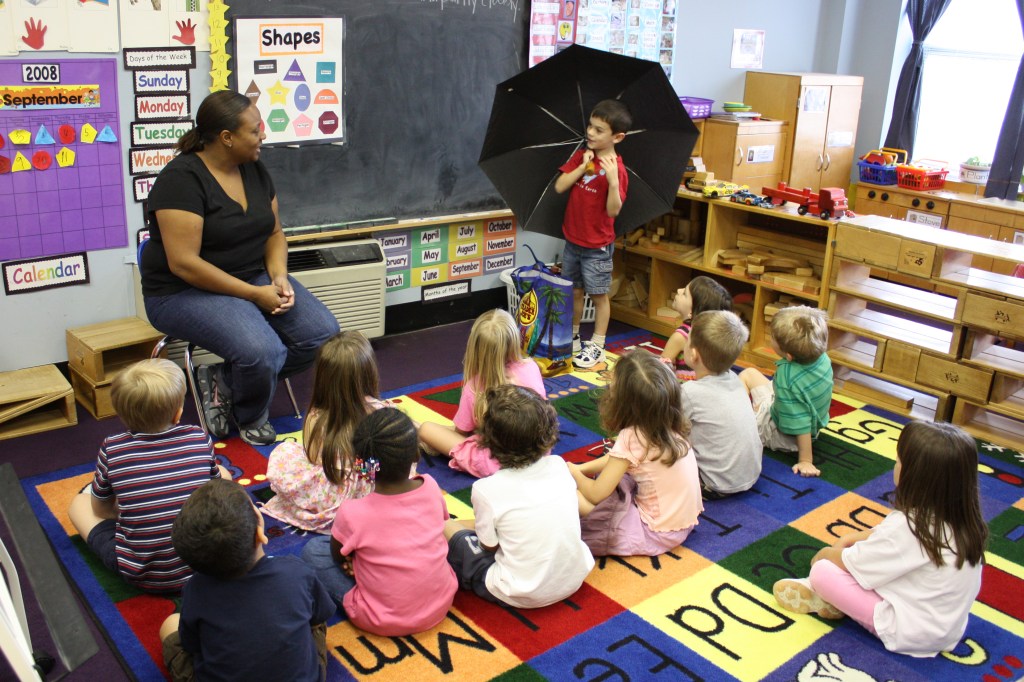
A kindergarten classroom with a teacher and children sitting on the floor
Image: Show and tell | Stickee | Wikimedia Commons | CC BY 2.0

Here are some effective strategies that educators can use to make the classroom fun, productive, and engaging:

1. Incorporate Technology

Integrating technology in the classroom can enhance learning and make the classroom more interactive and engaging. Teachers can use various technological tools such as interactive whiteboards, tablets, and educational software to make lessons more interesting and interactive. Furthermore, technology can help to personalize learning, which can help students to better understand concepts.

25 Brilliant Ways to Use Technology in the Classroom with Ease

2. Use Games and Group Activities

Games and group activities are a great way to make the classroom more fun and engaging. Teachers can use games to teach concepts, and group activities can encourage teamwork, communication, and critical thinking. For example, teachers can use puzzles, board games, and quizzes to teach and reinforce concepts.

20 Fun Games for Classrooms (Plus Benefits and Examples)

3. Use Positive Reinforcement

Positive reinforcement is an effective strategy to encourage positive behavior and improve student motivation. Teachers can use rewards such as praise, extra credit, and recognition to reinforce positive behavior. Additionally, teachers can use a token economy system where students earn tokens for positive behavior, which can be redeemed for rewards.

3 Techniques to Use Positive Reinforcement in the Classroom

4. Incorporate Student Interests

Incorporating student interests in lessons can make the classroom more fun and engaging. Teachers can use student interests to teach concepts or create projects. For example, teachers can use sports to teach math concepts, or movies to teach literary analysis.

What Is Multidisciplinary Approach In Education?

5. Use Varied Teaching Strategies

Using varied teaching strategies can help to accommodate different learning styles and make the classroom more engaging. Teachers can use strategies such as visual aids, hands-on activities, and collaborative learning to cater to different learning styles. Additionally, using varied teaching strategies can help to break up the monotony of lectures and keep students engaged.

6 Best Teaching Strategies for 2023

6. Create a Positive Classroom Environment

Creating a positive classroom environment can help to foster a sense of community and encourage positive behavior. Teachers can create a positive classroom environment by setting clear expectations and rules, promoting respect, and using positive reinforcement. Additionally, teachers can create a safe and comfortable learning environment by promoting inclusivity and addressing bullying and harassment.

13 Strategies To Improve Your Classroom Environment

7. Encourage Student Participation

Encouraging student participation can help to create an interactive and engaging classroom environment. Teachers can encourage student participation by asking open-ended questions, facilitating discussions, and using group work. Additionally, teachers can use techniques such as think-pair-share and exit tickets to encourage participation and gather feedback.

How to Encourage Participation in Your Classroom

Making the classroom fun, productive, and engaging is essential for student success. By incorporating technology, using games and group activities, using positive reinforcement, incorporating student interests, using varied teaching strategies, creating a positive classroom environment, and encouraging student participation, educators can create a classroom environment that fosters learning and student success.