
Artificial Intelligence (AI) is revolutionizing the way we learn, communicate, and interact. With the advent of advanced AI technologies like ChatGPT, the quality of learning in the field of academics is undergoing significant changes. This has both positive and negative effects, and it is important to understand both sides to fully appreciate the impact of AI on education.
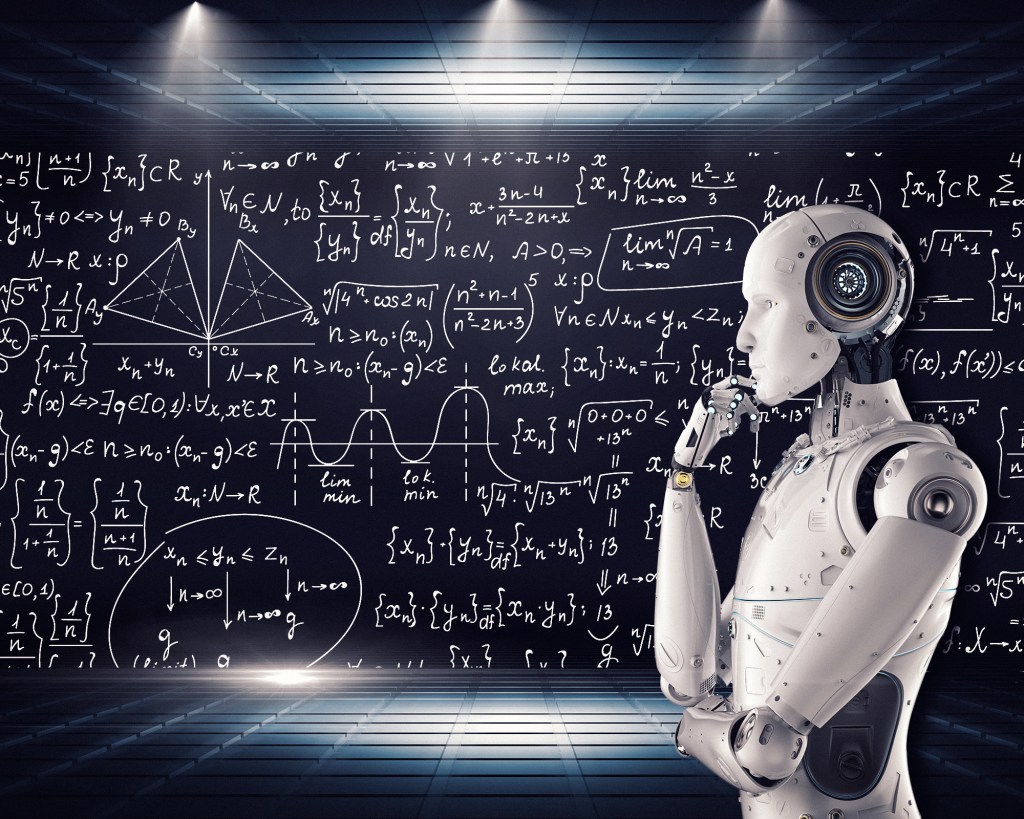
ChatGPT is a language model developed by OpenAI, a leading AI research lab. It is a type of artificial intelligence that uses advanced machine learning algorithms to generate human-like text. It has been trained on a massive amount of text data, allowing it to respond to questions and provide information on a wide range of topics.
ChatGPT’s abilities include:
- Conversational AI: ChatGPT can hold natural, human-like conversations with users, providing answers to questions and generating coherent responses.
- Text Generation: ChatGPT can generate text based on input, such as completing a prompt or summarizing a piece of text.
- Question Answering: ChatGPT can answer questions with high accuracy, drawing information from its training data to provide relevant answers.
- Summarization: ChatGPT can summarize long pieces of text into shorter, more concise forms, making it easier for users to understand the most important information.
- Text Classification: ChatGPT can classify text into various categories, such as sentiment analysis or topic classification.
- Language Translation: ChatGPT can translate text from one language to another, making it a useful tool for multilingual communication.
These abilities make ChatGPT a powerful tool for a variety of applications, including customer service, content generation, and research. However, it is important to note that like all AI systems, ChatGPT is only as good as the data it was trained on and may contain biases or inaccuracies. It should not be used as a substitute for human judgement and expertise in important decision-making processes.
In the context of education, ChatGPT can play a significant role in the teaching-learning process by offering students a new and innovative way to access information and receive instant feedback. Here are a few ways ChatGPT can contribute to the education process in schools:
- Personalized Learning: ChatGPT can analyze a student’s performance and adapt the learning experience to suit their needs. This includes adjusting the difficulty level, pace, and teaching method. This personalized approach to learning can help students engage more deeply with the material and improve their learning outcomes.
- Instant Feedback: With ChatGPT, students can receive instant answers to their questions, eliminating the need to wait for a teacher or tutor to respond. This can save a great deal of time and improve the efficiency of the learning process.
- Supplementing Classroom Instruction: ChatGPT can be used as a supplementary tool to enhance classroom instruction. For example, it can be used to answer student questions during class, provide additional information on a topic, or assign homework.
- Off-hours support: ChatGPT can be available 24/7, providing students with access to learning resources even outside of regular school hours. This can be especially helpful for students who need extra support or clarification on a concept.
One of the most significant benefits of AI in education is the availability of personalized learning experiences. ChatGPT, for instance, can analyze a student’s performance and adapt the learning experience to suit their needs. This can include adjusting the difficulty level, pace, and even the teaching method. This personalized approach to learning can help students to engage more deeply with the material, leading to improved learning outcomes.
Another advantage of AI in education is the ability to provide instant feedback. With ChatGPT, students can receive instant answers to their questions, eliminating the need to wait for a teacher or tutor to respond. This can save a great deal of time and improve the efficiency of the learning process. Additionally, AI can provide students with instant feedback on their progress, allowing them to see how they are doing in real-time and make adjustments accordingly.
However, despite these benefits, there are also some potential downsides to using AI in education. One concern is the potential for decreased human interaction and the loss of personal connection between students and teachers. With AI taking over many of the responsibilities of the teacher, students may miss out on the opportunity to develop strong relationships with their instructors. This can negatively impact their motivation and engagement with the material.
Another concern is the potential for AI to perpetuate existing biases and perpetuate existing inequalities. AI systems are only as unbiased as the data they are trained on, and if the data used to train these systems reflects existing biases, they may continue to reinforce these biases in the learning experience. This could result in unequal educational opportunities and further marginalize already marginalized groups.
It is important to note that while ChatGPT and other AI technologies can be valuable tools in the education process, they should not replace human teachers. Teachers play a crucial role in providing students with personalized attention and guidance, and they can help students develop important critical thinking skills. AI technology like ChatGPT should be used to supplement and enhance traditional classroom instruction, not replace it.
AI has the potential to significantly impact the quality of learning in the field of academics. Personalized learning experiences, instant feedback, and increased efficiency are all benefits of AI in education. However, there are also potential downsides, including decreased human interaction and perpetuation of existing biases, that must be considered. As AI continues to evolve and become more integrated into education, it is essential that we consider both the positive and negative impacts to ensure that we are using this technology to its full potential and to the benefit of all learners.
 International Association of Open Educators Inc.
